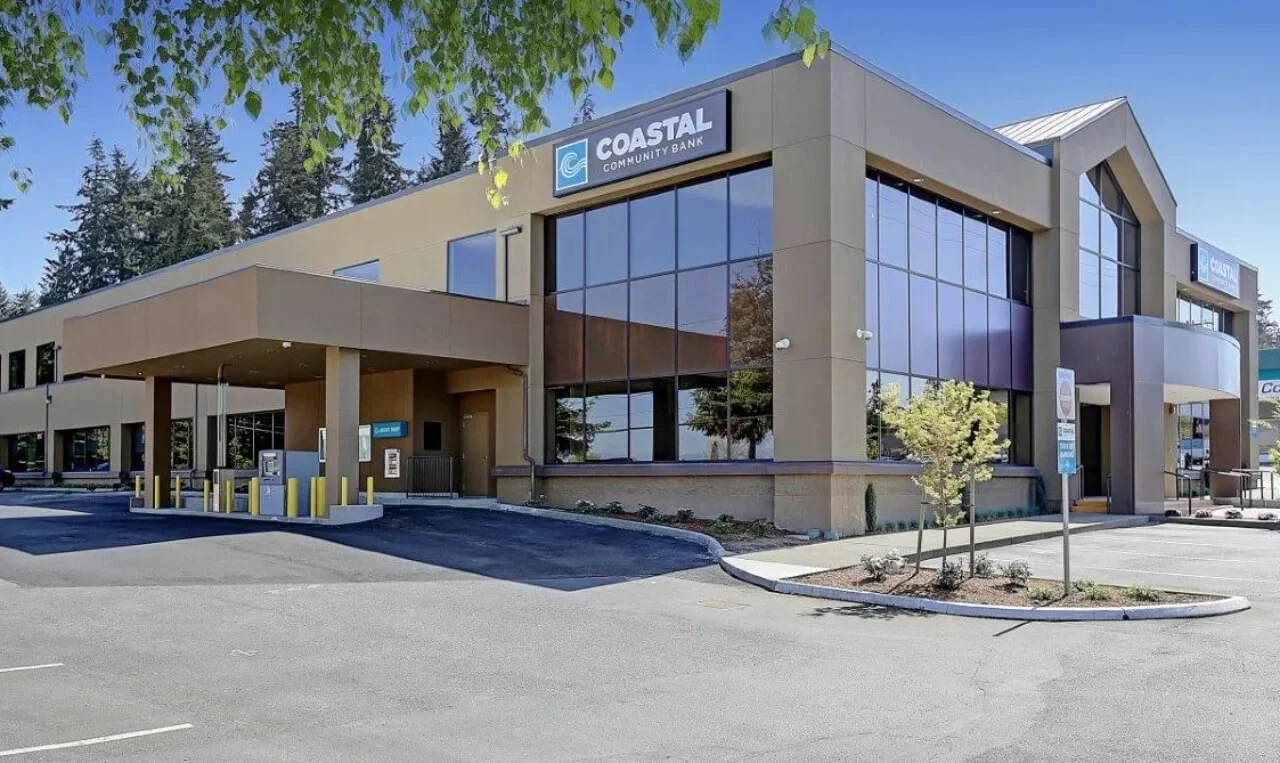

Coastal Community Bank wanted more than a faster assessment. Its risk team needed to trust what AI was telling them, trace each conclusion to evidence, and explain that conclusion to a regulator.
That work now lives in one place. Assessments, findings, and supporting documents share a single record. Two decades of vendor-management history, once spread across spreadsheets and a legacy GRC platform, have been reconciled into that system.
For Chris Morgan, the bank's CISO, the outcome is clear after a year with Coverbase. His team no longer runs assessments outside Coverbase. Since the full cutover in March 2026, all assessments have run in the system.
The question behind the decision
Coastal's earlier program was manual and spreadsheet-heavy. In Morgan's words, it was "built for a different era." As its vendor population grew, logistics and documentation consumed time that should have gone toward analysis.
Morgan reviewed the market, including the bank's existing GRC platform and newer tools. Some offered ratings and scorecards. None resolved the underlying workload.
Coverbase stood out in the demo, but speed alone did not settle the decision. Morgan needed to know whether his team could stand behind an AI-assisted assessment when an examiner asked how it reached its answer.
“We will never do an assessment outside of Coverbase again.”
Show the evidence, control by control
A control marked satisfied is only useful if someone can verify why. Coverbase places the analysis beside the relevant evidence, including a screenshot of the exact language in the vendor's source documentation.
That makes the assessment inspectable. Reviewers can move from a conclusion to its source without reconstructing the reasoning from separate files.
The same interface supports everyday work, not only an examination. The majority of controls clear in minutes, leaving the team more time for vendor relationships that need closer attention.
One framework, another team
Coastal's partner audit and controls group has since established its own Coverbase instance. It uses the platform for recurring compliance audits of a growing roster of fintech partners, work it previously completed by hand.
The team built custom control sets on the same framework used by Morgan's team. No structural changes were required.
That flexibility lets different groups retain their requirements while sharing an approach to evidence they can inspect and trust.
Put findings into the agreement
With less time spent running the assessment, the risk team can act earlier in procurement. In one example, an assessment finding became a remediation deadline written into a vendor's contract.
Morgan says that would not have been realistic when the team's time went almost entirely to assessment logistics.
Coastal continues to develop workflow and procurement integrations that connect findings to the next action, with the evidence in one auditable record.
“Having that screenshot and having that side by side against what the control is, is such a perfect interface.”